Available Technologies
# of Displayed Technologies: 10 / 91
Enhanced Light Extraction in Tunnel-Junction UV LEDs
TS-076325 —
UV LEDs, particularly those operating at shorter wavelengths, face persistent challenges in achieving high optical efficiency. Conventional device architectures can suffer from significant internal absorption and inefficient light extraction, limiting wall-plug efficiency and increasing power requ…
- College: College of Engineering (COE)
- Inventors: Rajan, Siddharth; Akyol, Faith; Jamal-Eddine, Zane; Zhang, Yuewei
- Licensing Officer: Zinn, Ryan
Fiber-Coupled Multi-Layer Lithium Niobate Photonic Platform
TS-076198 —
Advanced photonic systems for communications, sensing, computing, and quantum technologies increasingly rely on lithium niobate due to its exceptional electro-optic and nonlinear optical properties. However, existing high-performance lithium niobate photonic devices face major commercialization ba…
- College: College of Engineering (COE)
- Inventors: Reano, Ronald; Nagy, Jonathan "Tyler"; Patton, Ryan; Prabhakar, Karan
- Licensing Officer: Zinn, Ryan
High-Performance Lightweight Polypropylene Foams via Pressure-Induced Structuring
TS-076188 —
Polypropylene (PP) is an attractive engineering polymer due to its low cost, recyclability, chemical resistance, and favorable processing characteristics. However, conventional PP is notoriously difficult to foam because of its low melt strength and highly crystalline structure, often resulting in…
- College: College of Engineering (COE)
- Inventors: Lee, L James; Chiu, Debbie Yven; Fu, Dajiong; Li, Dachao; Yen, Ying-Chieh
- Licensing Officer: Zinn, Ryan
Aerodynamic Trailer Sidewall Technology for Improved Fuel Efficiency
TS-076137 —
Heavy-duty trucks consume significant fuel during highway operation, with aerodynamic drag representing a major source of energy loss and operating expense. As fleet operators face increasing pressure to reduce fuel costs, improve vehicle efficiency, and lower emissions, there is a growing need fo…
- College: College of Engineering (COE)
- Inventors: Prakash, Shaurya; Rangharajan, Kaushik Krishna "Kaushik"; West, Joseph; Zezinka, Zachary
- Licensing Officer: Zinn, Ryan
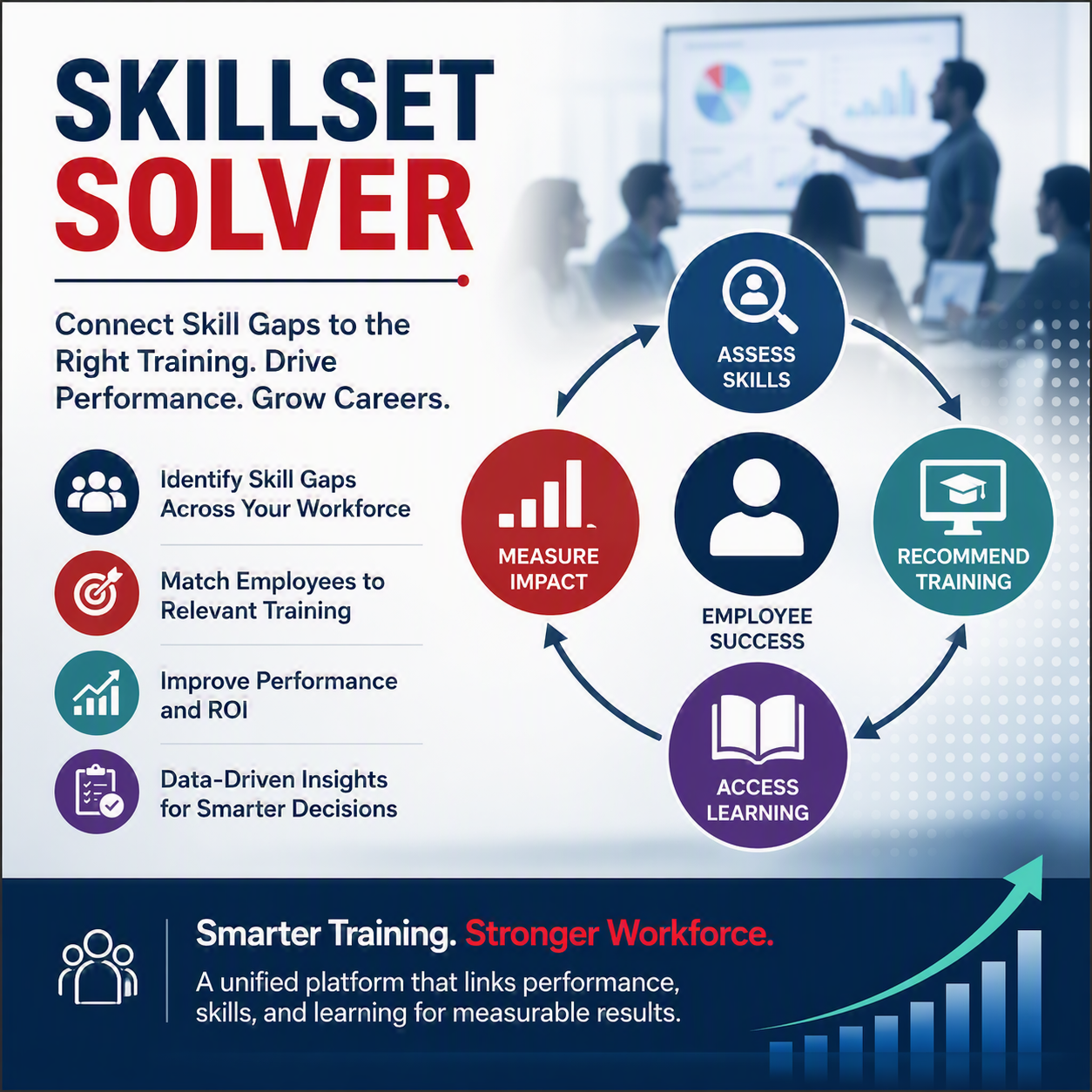 Skill Gap Analytics and Workforce Training Recommendation Platform
TS-075512 —
Organizations invest substantial resources in employee training and professional development, yet many struggle to demonstrate a clear connection between training expenditures, workforce performance, and career advancement. Human resources teams often lack effective tools to identify specific skil…
- College: Fisher College of Business
- Inventors: Goffe, Gretchen
- Licensing Officer: Zinn, Ryan
Halbach Cladding Magnets for Reduced End-Effect Losses in Magnetic Gears
TS-074823 —
Magnetic gears offer compelling advantages over mechanical gearboxes (contactless torque transfer, reduced maintenance, and improved reliability) but widespread adoption has been limited by efficiency losses. A major contributor is “end-effect” loss, where magnetic flux leaks at the axial ends…
- College: College of Engineering (COE)
- Inventors: Losey, Bradley "Brad"; Dapino, Marcelo
- Licensing Officer: Zinn, Ryan
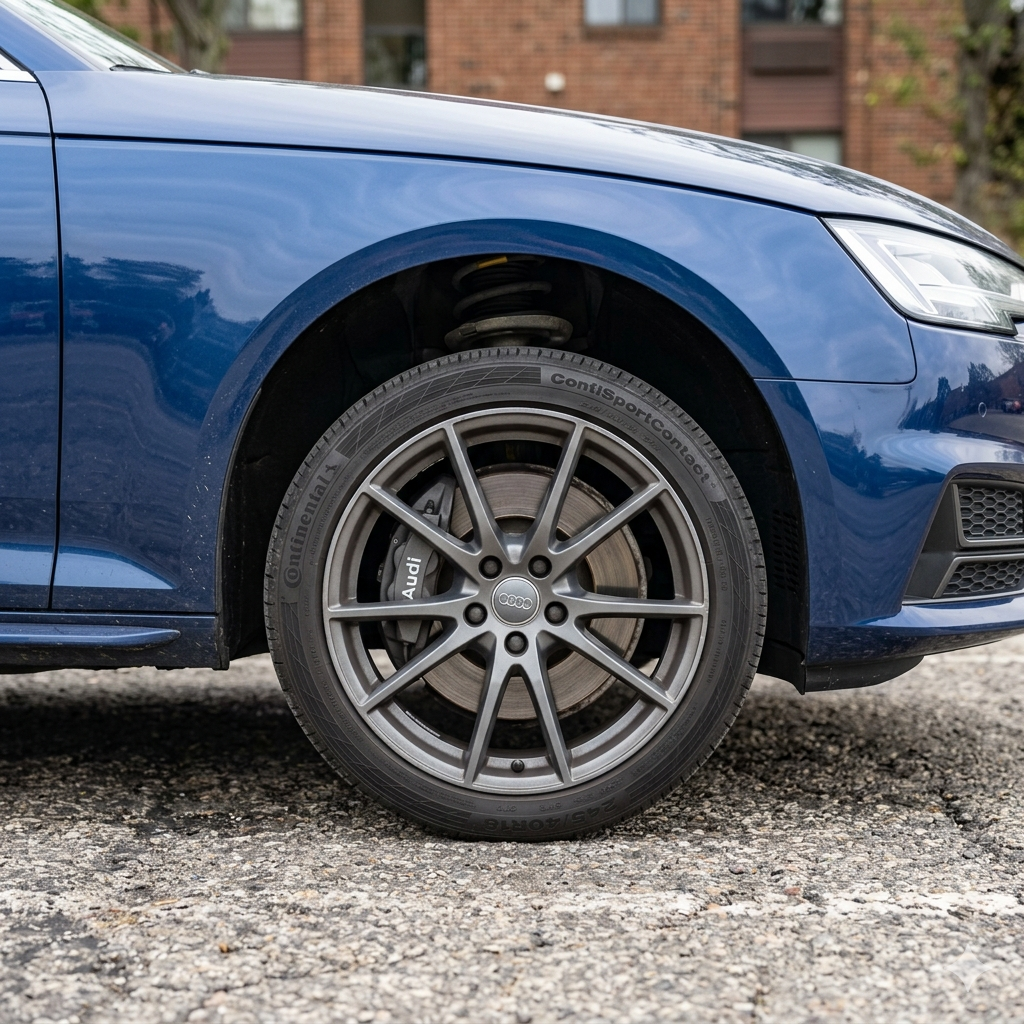 Adaptive Morphing Fender Skirt for Steered Vehicle Wheels
TS-074573 —
Vehicle manufacturers continue to pursue aerodynamic improvements to meet fuel efficiency, emissions, and range targets. Open or partially open wheel wells remain a persistent source of aerodynamic drag, noise, and efficiency loss. Traditional fixed fender skirts improve aerodynamics but cannot ac…
- College: College of Engineering (COE)
- Inventors: Chillara, Venkata Siva Chaithanya; Dapino, Marcelo; Gandhi, Umesh; Headings, Leon
- Licensing Officer: Zinn, Ryan
DIAMOND: Risk-Based Cyber Vulnerability Management with Business Context Analytics
TS-074364 —
Senior executives struggle to understand and prioritize cybersecurity risk in business terms. Existing vulnerability scoring systems rely on opaque or arbitrary measures that fail to connect cybersecurity decisions to financial impact, staffing costs, or operational tradeoffs. As a result, organiz…
- College: College of Engineering (COE)
- Inventors: Allen, Theodore "Ted"; RoyChowdhury, Sayak
- Licensing Officer: Zinn, Ryan
Three-Dimensional Semiconductor Radiation Energy Capture Platform
TS-074295 —
Many applications require compact, long‑lived power sources that can operate reliably for years without maintenance, battery replacement, or recharging. This is particularly true for remote sensors, implantable medical devices, space systems, and defense or industrial monitoring deployed in hars…
- College: College of Engineering (COE)
- Inventors: Cao, Lei Raymond
- Licensing Officer: Zinn, Ryan
AI-Enhanced Predictive Control for Hybrid Powertrain Energy Management
TS-074095 —
Hybrid and electrified vehicles face increasing pressure to simultaneously reduce fuel consumption and tailpipe emissions, particularly during transient operating conditions such as cold start. Conventional rule-based or static control strategies struggle to optimally manage the tradeoffs among en…
- College: College of Engineering (COE)
- Inventors: Liu, Yuxing; Canova, Marcello
- Licensing Officer: Zinn, Ryan